Table of Contents
ToggleThe South Korea China Auto Industry
The global automotive industry has undergone one of the most dramatic power shifts in industrial history. What we’re seeing today with Chinese EV exports is not a sudden, isolated event — it is the third wave of an East Asian disruption that began over 70 years ago.
Throughout this history, Western manufacturers have repeatedly underestimated their Eastern competitors. They initially dismissed them as makers of “cheap” products, only to watch them completely rewrite the rules of the game.
Wave 1: The Japanese Renaissance (1950s–1980s)
In the dead of a British winter in the 1950s and 60s, starting a motor car was often a grueling ordeal. Flooded carburettors, rusted distributors, and notoriously unreliable Lucas electrics (humorously dubbed “The Prince of Darkness”) made domestic cars incredibly temperamental in the rain and snow.
Then came the Japanese.
Toyota, Nissan, and Honda didn’t just offer more affordable vehicles — they offered absolute reliability. A Toyota started every single morning, no matter the weather. Through Total Quality Management (TQM) and an obsessive attention to detail, Japanese manufacturers ruthlessly exposed the weaknesses of a complacent Western industry.
The result? The near-collapse and forced consolidation of the British motor industry (such as British Leyland), the decline of absolute American dominance, and a tidal wave of Japanese motorcycles and consumer electronics that redefined global markets.
Wave 2: The South Korean Leap (2000s–2010s)
By the late 1990s, Japanese brands had become the new premium establishment. This success naturally created a vacuum at the value end of the market.
Enter the South Korean Chaebols — Hyundai, Kia, Samsung, and LG.
Initially mocked for building uninspiring, budget-focused cars in the 1990s, South Korea executed a stunningly dramatic turnaround at the turn of the millennium:
- The Warranty Weapon: Hyundai and Kia introduced groundbreaking 10-year/100,000-mile warranties to aggressively dismantle the “cheap” perception and prove their build quality.
- Tech Synergy: They leveraged their nation’s soaring expertise in consumer electronics and semiconductors, increasingly treating the modern motor car as a rolling piece of technology.
- Aggressive Iteration: They maintained a blistering pace of improvement in design, European-styled aesthetics, and standard features.
Today, Hyundai-Kia stands firmly as one of the world’s largest and most respected automakers, while Samsung and LG dominate the global supply of displays, EV batteries, and semiconductors.

Wave 3: The Chinese Juggernaut (2020s–Present)
Western and Japanese manufacturers spent over a century perfecting the internal combustion engine (ICE), creating a multi-billion-dollar barrier to entry for newcomers. China recognized they couldn’t beat the incumbents at their own game, so they chose a smarter path: change the rules entirely.
Instead of fighting head-on for engine dominance, China poured massive state and private resources into battery chemistry, software development, and raw material supply chains a decade before the West woke up.
- Battery Dominance: China now controls over 70% of the global EV battery supply chain, giving them an unassailable cost advantage.
- Software-Defined Vehicles: Chinese EVs are built from the ground up like smartphones on wheels, featuring fast-evolving software architectures, advanced infotainment, and seamless over-the-air updates.
- Price + Quality: Many Chinese vehicles are no longer just the cheaper option — in terms of range, integrated technology, and fit-and-finish, they are increasingly superior.
China has rapidly become a leading global automotive exporter, forcing Europe and the US to implement heavy defensive tariffs to protect their domestic legacy brands.
How Can Europe and the USA Compete?
Western manufacturers face a steep uphill battle. Defensive tariffs (such as the EU’s duties of up to 45% on Chinese EVs and the US’s 100%+ tariffs) are currently being used to buy local industries time. However, protectionism alone rarely reverses structural disruption; it merely slows the tide.
To survive, Western carmakers are being forced to pivot:
- Accelerate Hybrid Development: Leaning into hybrids and plug-in hybrids (PHEVs) as a crucial middle ground, which is highly preferred in emerging markets like South Africa where infrastructure challenges exist.
- Invest Heavily in Software: Shifting focus from mechanical engineering to software agility and connected vehicle ecosystems.
- Strategic Alliances: Forming joint ventures with Chinese battery and tech manufacturers to close the cost gap.
- Defend the Premium Segment: Doubling down on brand heritage, luxury craftsmanship, and prestige where legacy badges still hold a psychological edge.
The Chinese Manufacturing Footprint in South Africa
This global shift is playing out right on our doorstep. China’s presence in South Africa’s automotive sector is expanding at an unprecedented pace.
Most notably, Chery has acquired Nissan’s former Rosslyn plant in Pretoria, with plans to begin local production by late 2027 after extensive retooling. They join an increasingly crowded and successful local field:
- BAIC (Beijing Automotive Group): Actively assembling vehicles at its plant in Gqeberha (Port Elizabeth) and expanding its footprint.
- GWM / Haval: A dominant importing force that has captured significant market share in the SUV and bakkie segments.
- BYD: The global EV giant is actively building out local sales infrastructure and electric vehicle awareness.
- MG (SAIC): Leveraging historic British brand heritage with robust Chinese manufacturing power to become one of the fastest-growing local brands.
As South Africa pushes for industrial localization and job creation, expect even more Eastern brands to transition from pure importers to local assemblers.
Why This Matters for Hard-to-Find Parts
Every single wave of industrial disruption eventually creates a vibrant legacy market. As older brands consolidate, merge, or completely abandon traditional internal combustion platforms, sourcing components for vehicles from the “golden eras” becomes a unique challenge.
Whether it is a classic 1980s Japanese cruiser, a pioneering 2000s South Korean family vehicle, or early-generation emerging market models, these cars eventually become future classics or vital workhorses that need to be kept on the road. Their specialized components—especially the electronics and unique trim pieces—become highly sought after by restorers and fleet keepers alike.
Two MBA-Style Case Histories for Further Thought
Case 1: “The Underestimation Cycle” Western manufacturers repeatedly dismissed Asian competitors as “cheap copycats” — first Japan, then Korea, and now China. Each time, complacency led to a massive loss of market share. It stands as a textbook lesson in how industrial arrogance blinds incumbents to rapid, iterative adaptability.
Case 2: “Changing the Rules of the Game” When a challenger faces an insurmountable barrier to entry (like the complexity of the modern petrol/diesel engine), the smartest strategy is to change the battlefield entirely. By leapfrogging straight into electrification and software, China proved that you don’t win by playing the incumbent’s game; you win by making their game obsolete.
Join the Conversation
The center of gravity in global manufacturing has shifted East in three distinct historical waves. The same industrial patterns that humbled the Western automotive establishment in the 1970s are repeating themselves line-for-line today.
What about you? Have you owned vehicles from these different eras? Drop a comment below with your experiences—especially if you are old enough to remember the night-and-day difference in winter reliability when Japanese cars first arrived on the scene. I read and reply to every one!
Further Reading
- Moneyweb – AA CEO sounds alarm over Chinese vehicle safety – 29/05/2026
- Parts-Ring – Chinese Vehicle Safety South Africa: AA Warning on Parts, Repairs & Long-Term Risks 03/06/2026
- Parts-Ring – Ford South Africa
- Dealerfloor- How China plays the long game in the global auto industry
- Parts-Ring – Nissan Downward Spiral: Why One of Japan’s Biggest Carmakers Is Fighting for Survival in 2026
- Parts-Ring – British Car Industry Downfall: The Rise and Fall of a Manufacturing Empire
- Council on Foreign Relations – Will China Take Over the Global Auto Industry?
- The Korea Herald – Chinese EVs surge, Japan retreats in Korea’s shifting auto rivalry.
Technical Credits & Research
- Visuals: Image assets generated by Google’s Gemini AI and PicsArt
- Research: Technical assistance and cross-referencing provided by Grok xAI and Gemini.
- Editorial: All case study data, circuit designs, and final editorial decisions are the sole responsibility of the author to ensure technical accuracy.
Technical Credits & Research - IAA Frankfurt 2019
The 2019 Frankfurt Motor Show (IAA) took place from September 10–22, 2019, at the Messe Frankfurt exhibition grounds. It was highly focused on electric vehicles and future mobility, featuring major unveils like the Porsche Taycan, Volkswagen ID.3, and the Land Rover Defender
All images: CC BY 2.0 Attribution 2.0 Generic Author: Rutger van der Maar
Hongqi S9 Concept
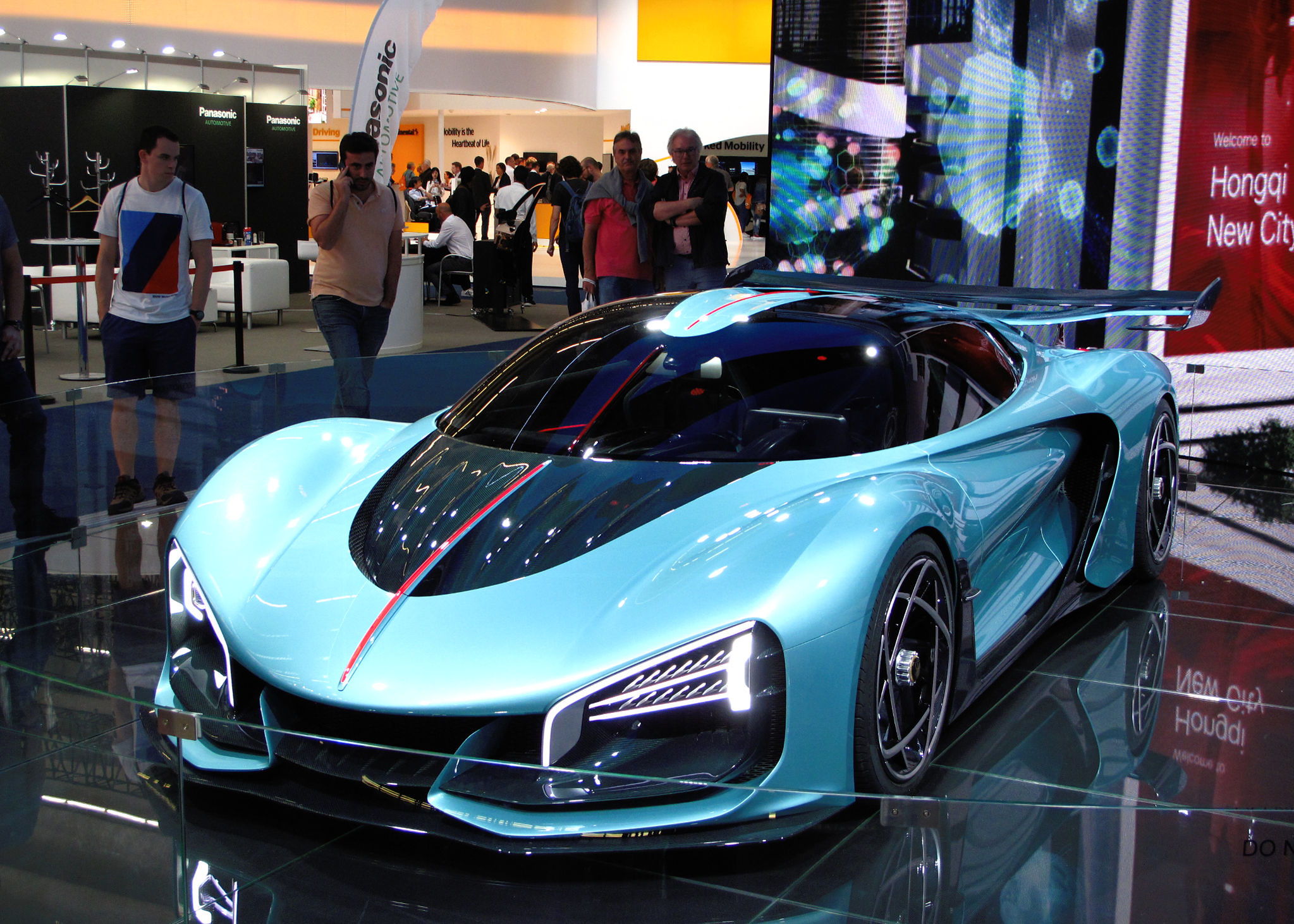
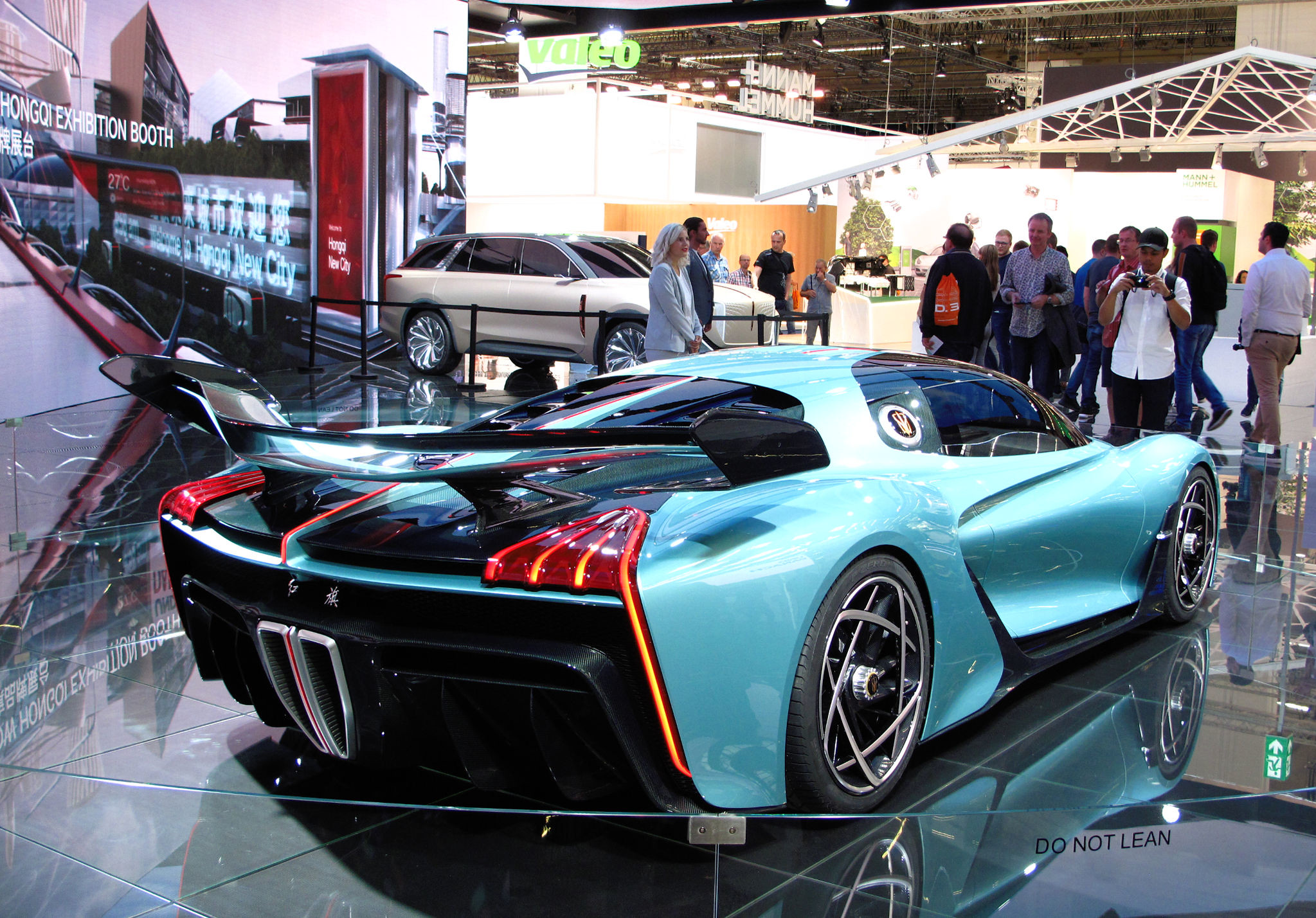
First Auto Works (FAW) is one of the four largest state-owned automotive companies in China. It was founded in 1953 and launched its first car, the Hongqi (Red Flag), in 1958. One of its subsidiaries, FAW Tianjin, started producing cars in 1965. From November 1984 it started producing Daihatsu cars in license, starting with the Hijet, but followed by the Charade in 1986. This car, the Xiali (夏利) would become one of the most successful cars in China in the nineties and can be considered an icon for the Chinese automotive industry.
The same designation is true for Hongqi, the brand originally intended for high-ranking officials. The Hongqi CA72 was based on a 1955 Chrysler/Imperial. It was followed by the CA770-series in 1963. In 1988 FAW started producing the Audi 100 under its own name, the CA7180/CA7200/CA7220-series. Versions continued to be produced until 2006. The S9 is mid-engined supercar powered by a 4.0-litre V8 engine mated to an electric motor, generating a system power of no less than 1,400 PS. Acceleration from 0 to 100 km/h takes just 1.9 seconds and top speed is 400 km/h. Hongqi will actually start making these from 2021!
Kia XCeed
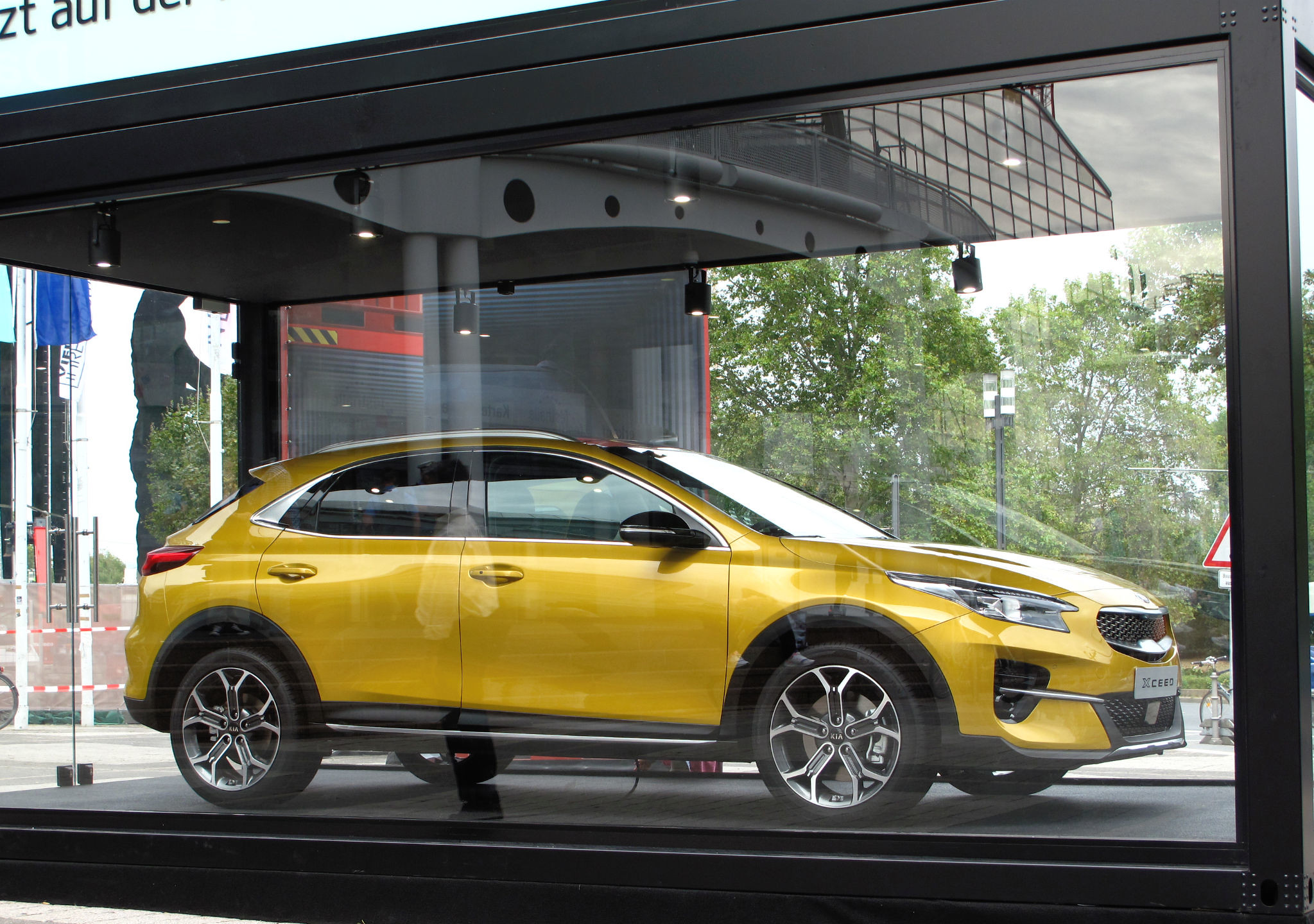
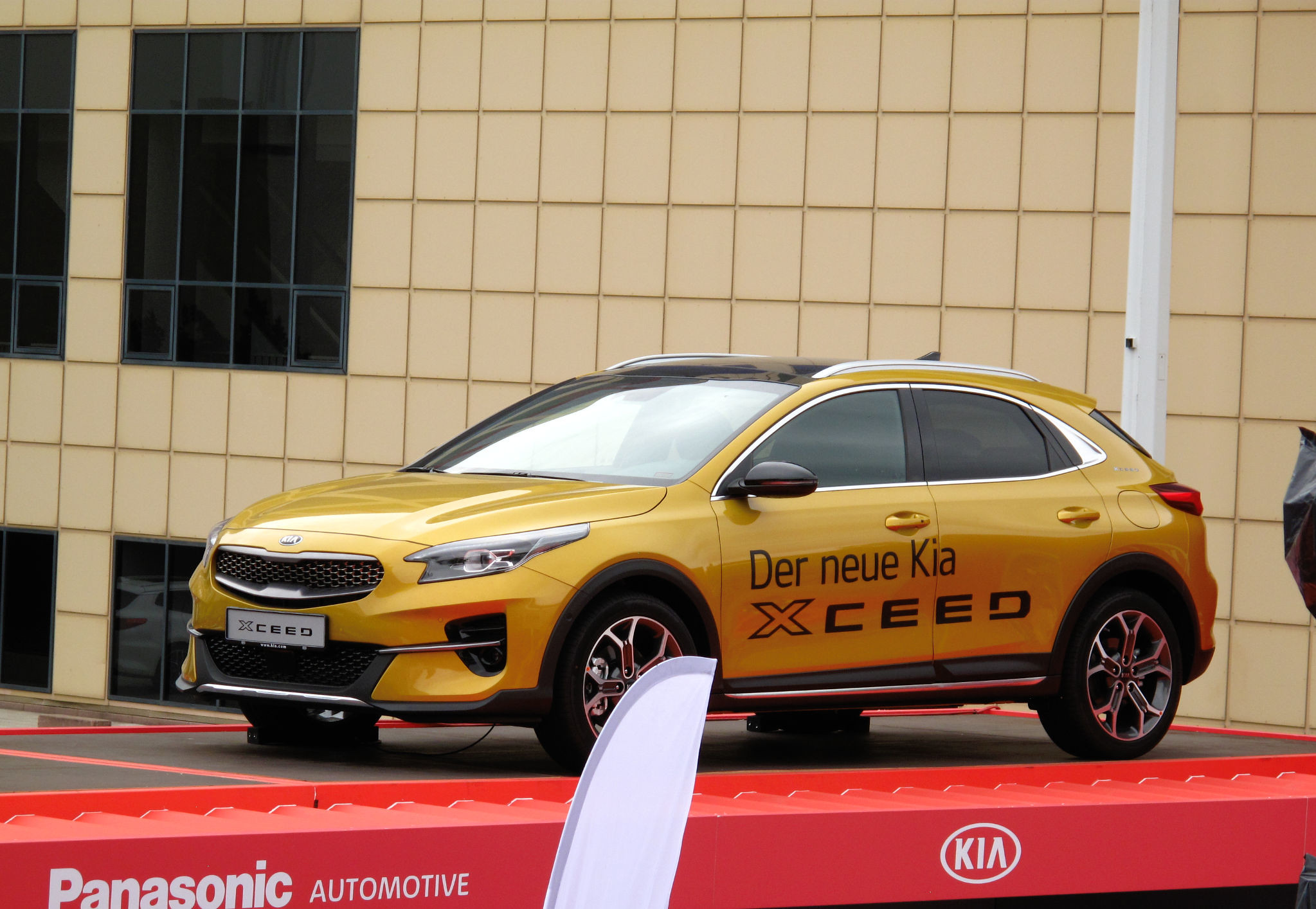
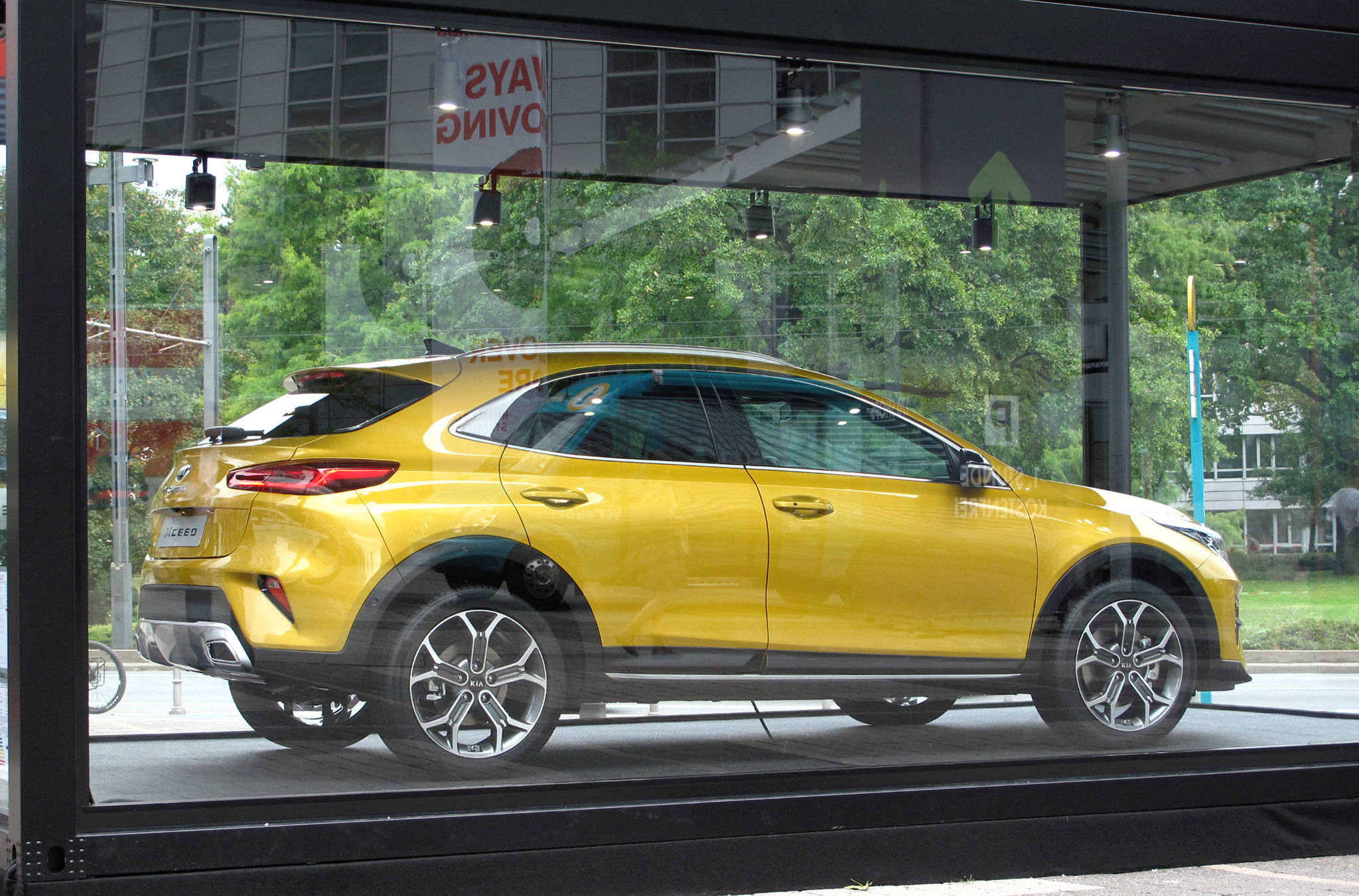
Another manufacturer which didn’t rent a stand at the 2019 Frankfurt Motor Show. Still, Kia parked several XCeeds outside and you could make a test drive with one. The new XCeed is the fourth addition to the Ceed lineup, which currently consists of a five-door hatchback, five-door stationcar, five-door Proceed (sportier stationcar in the same vein as the Mercedes-Benz CLA Shooting Brake) and now the new five-door XCeed crossover. It comes with 1.0, 1.4 and 1.6-litre turbocharged petrol engines and a 1.6-litre diesel engine. A plug-in hybrid will be added to the range shortly.
Wey VV7 GT Pro PHEV
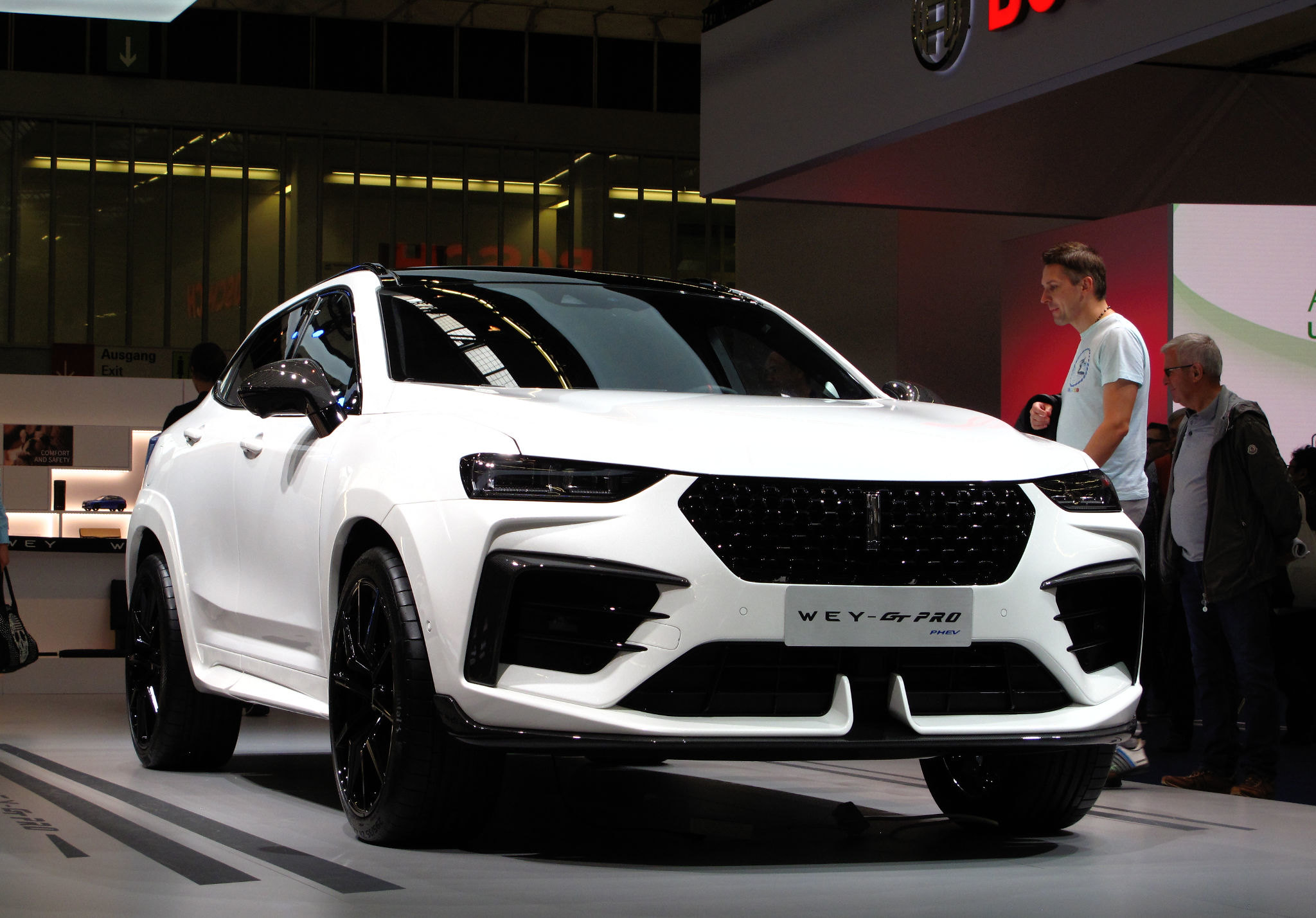
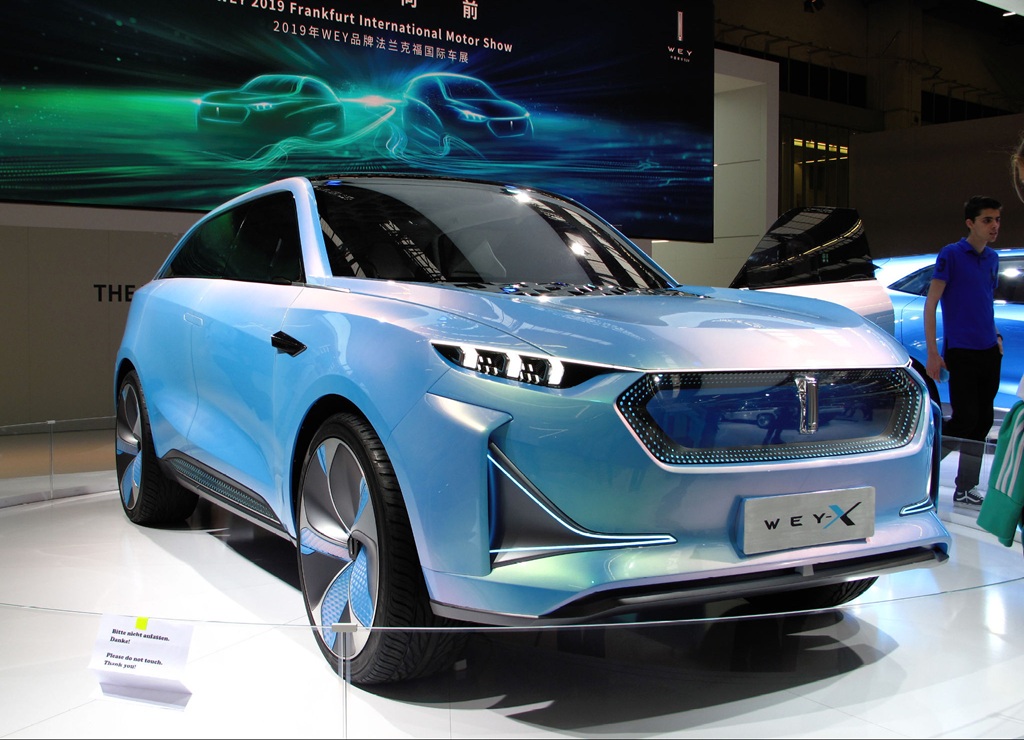
Wey is back at the Frankfurt Motor Show 2019, after the brand made its European debut at the previous show in 2017. Wey is Haval/Great Wall’s luxury brand. Like the cars of its parent company, they are designed by former BMW SUV designer Pierre Leclercq. Wey was launched at Auto Guangzhou in November 2016 with the W01 and W02, which went into production as VV7 and VV5 respectively. The VV5 has the size of a Audi Q3 or BMW X1 (4.4 metres), while the VV7 is somewhere between BMW X3 and X5 (4.8 meters). The VV7 GT is the ‘coupe’ variant of the VV7.
Wey VV7 PHEV
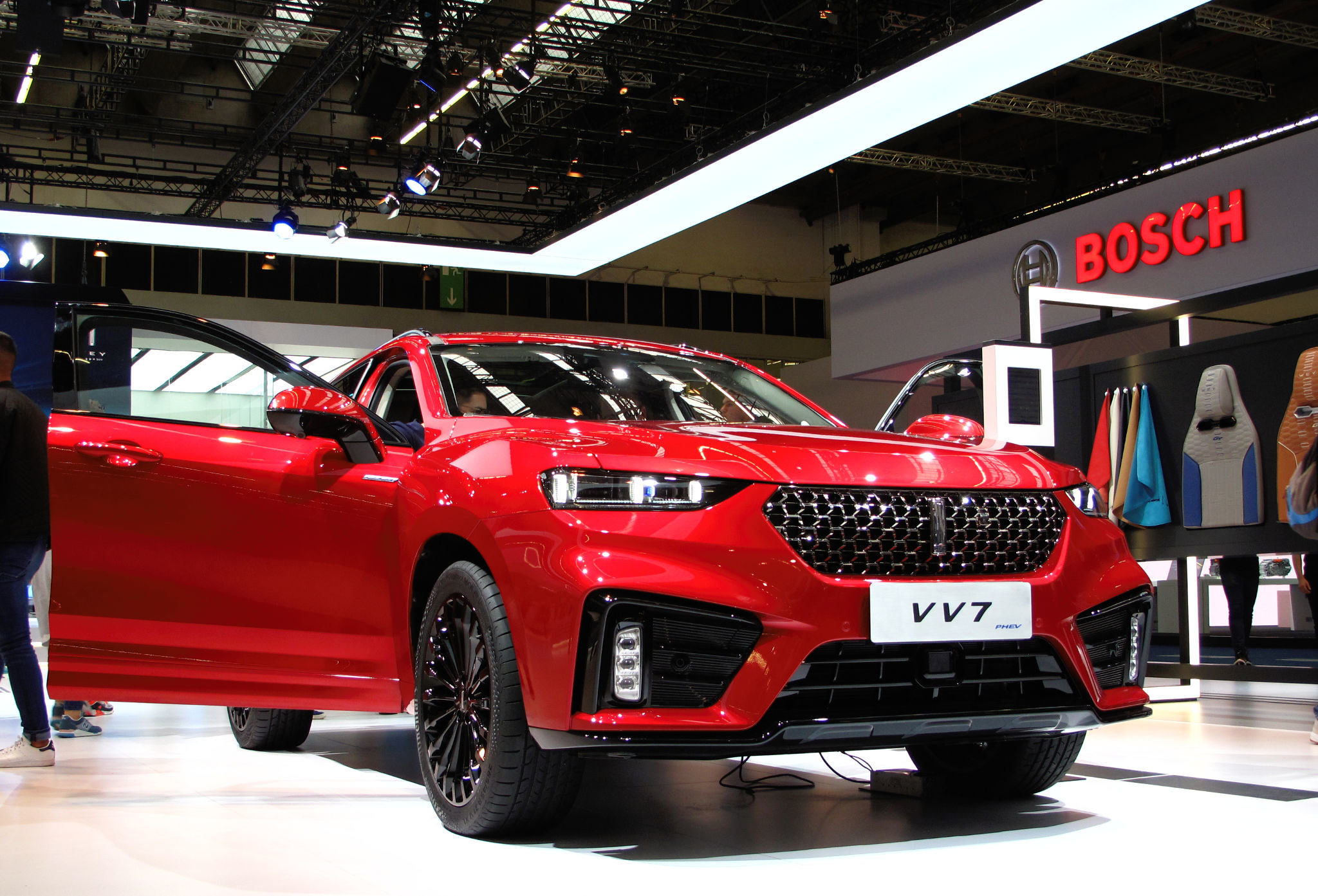
Wey is back at the Frankfurt Motor Show 2019, after the brand’s European debut at the previous show in 2017. Wey is Haval/Great Wall’s luxury brand. Like the cars of its parent company, they are designed by former BMW SUV designer Pierre Leclercq. Wey was launched at Auto Guangzhou in November 2016 with the W01 and W02, which went into production as VV7 and VV5 respectively. The VV5 has the size of a Audi Q3 or BMW X1 (4.4 metres), while the VV7 is somewhere between BMW X3 and X5 (4.8 meters). The Wey-X Concept II (the second Wey-X Concept after the first Wey-X in 2018) previews a new electric SUV with a range of 500 kilometers.
Wey-X Concept II


Wey is back at the Frankfurt Motor Show 2019, after the brand’s European debut at the previous show in 2017. Wey is Haval/Great Wall’s luxury brand. Like the cars of its parent company, they are designed by former BMW SUV designer Pierre Leclercq. Wey was launched at Auto Guangzhou in November 2016 with the W01 and W02, which went into production as VV7 and VV5 respectively. The VV5 has the size of a Audi Q3 or BMW X1 (4.4 metres), while the VV7 is somewhere between BMW X3 and X5 (4.8 meters). The Wey-X Concept II (the second Wey-X Concept after the first Wey-X in 2018) previews a new electric SUV with a range of 500 kilometers.
Wey VV7 GT Plug-in Hybrid
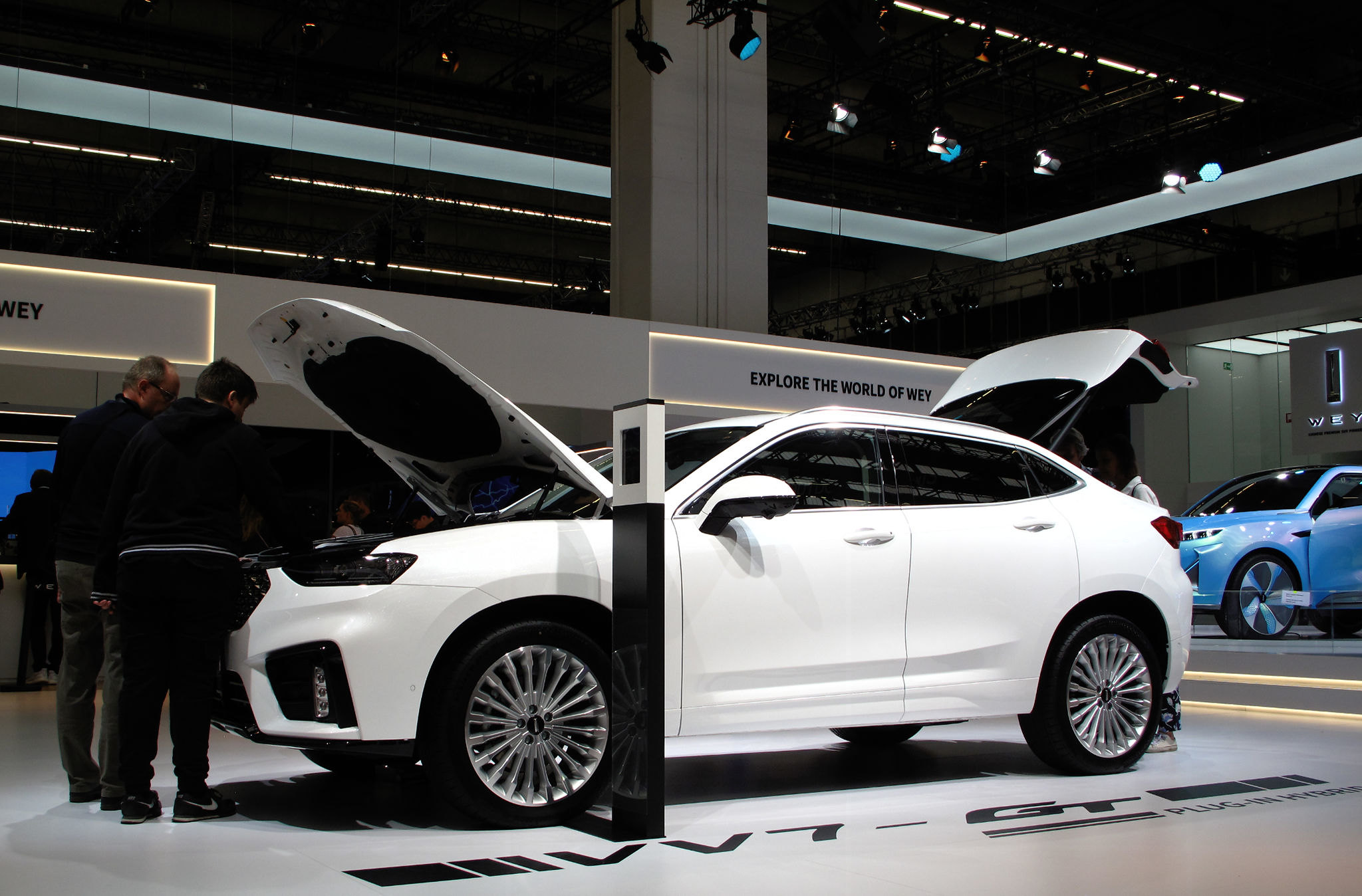
Wey is back at the Frankfurt Motor Show 2019, after the brand’s European debut at the previous show in 2017. Wey is Haval/Great Wall’s luxury brand. Like the cars of its parent company, they are designed by former BMW SUV designer Pierre Leclercq. Wey was launched at Auto Guangzhou in November 2016 with the W01 and W02, which went into production as VV7 and VV5 respectively. The VV5 has the size of a Audi Q3 or BMW X1 (4.4 metres), while the VV7 is somewhere between BMW X3 and X5 (4.8 meters). The Wey-X Concept II (the second Wey-X Concept after the first Wey-X in 2018) previews a new electric SUV with a range of 500 kilometers.
Aiways U5

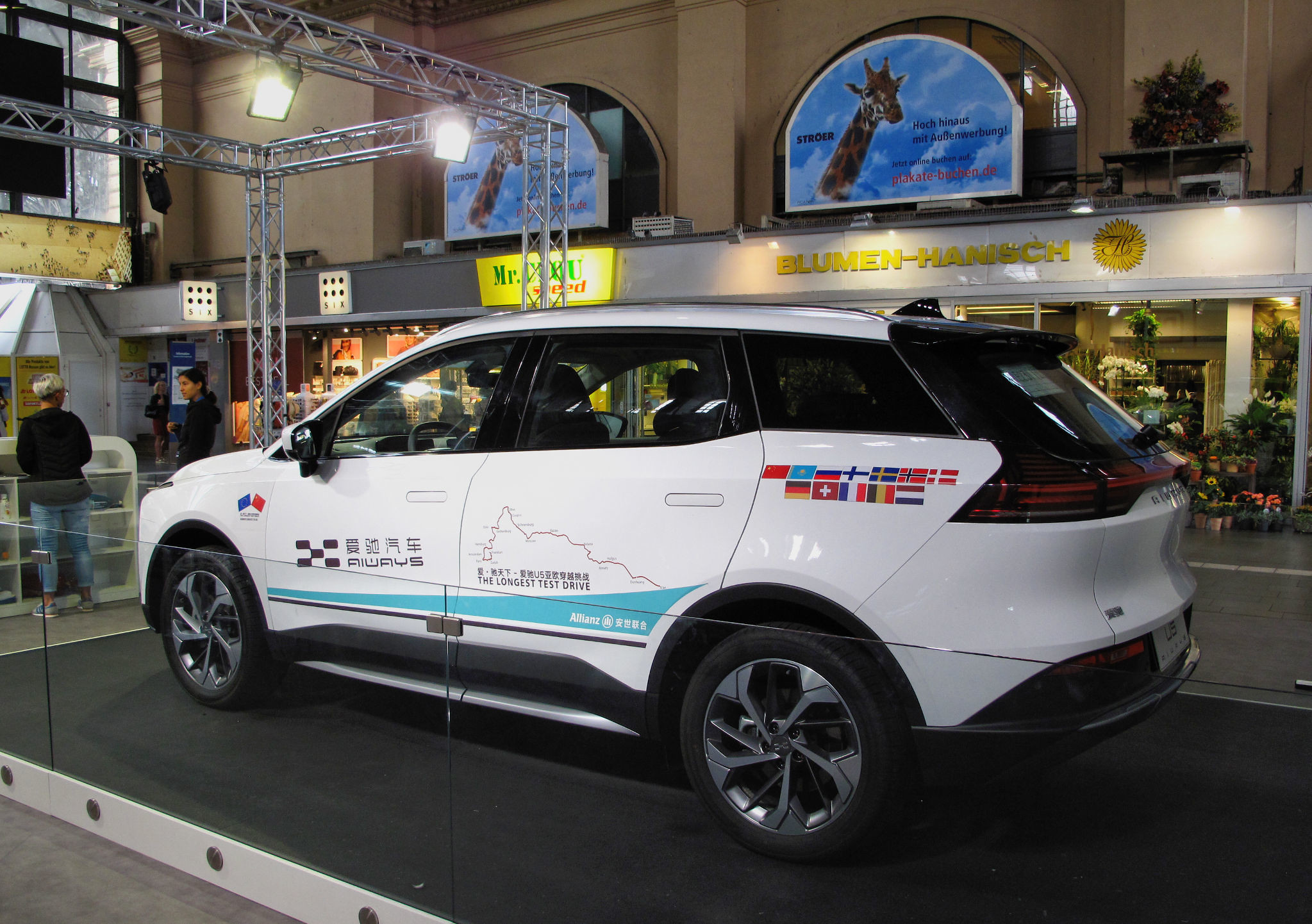
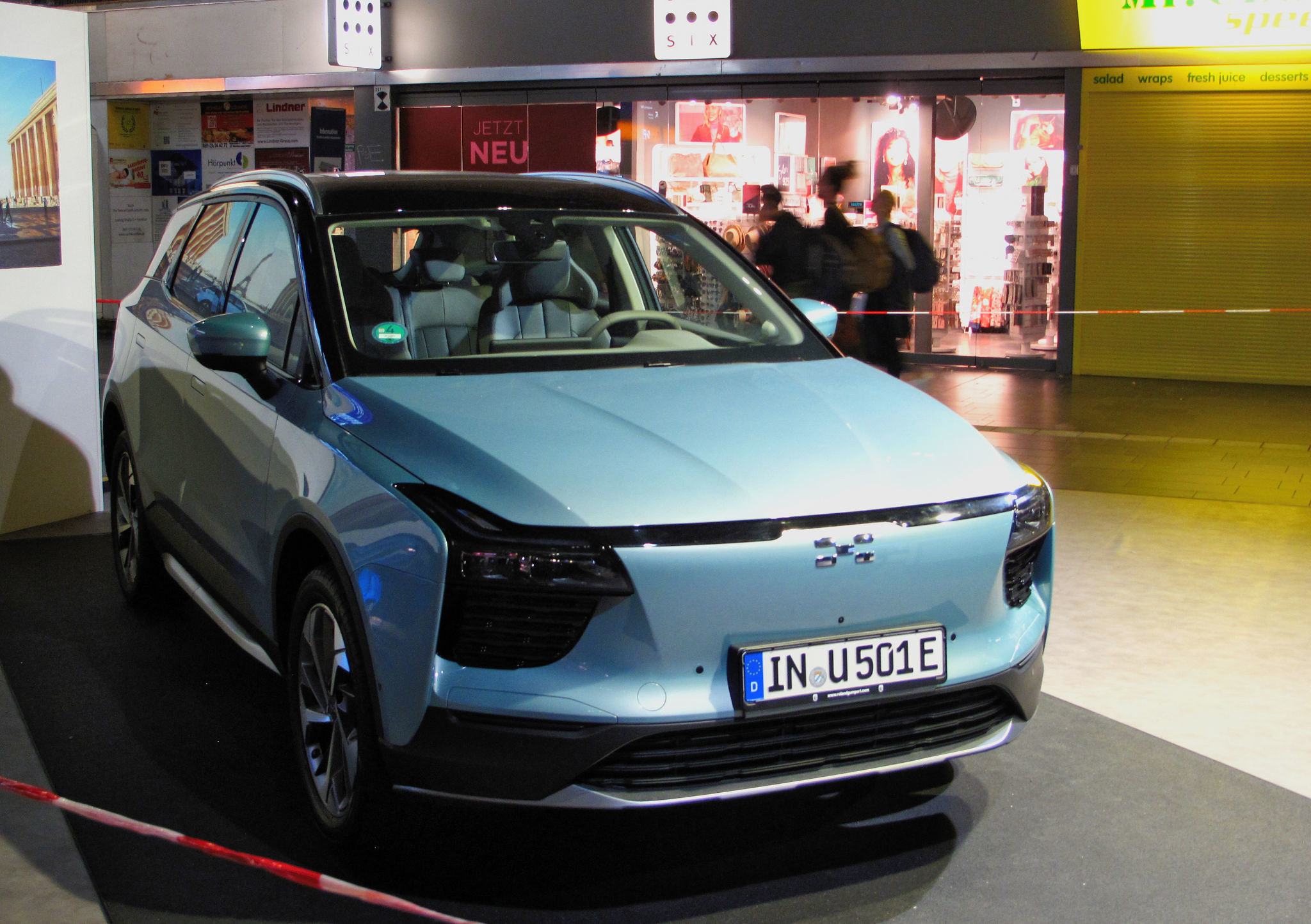
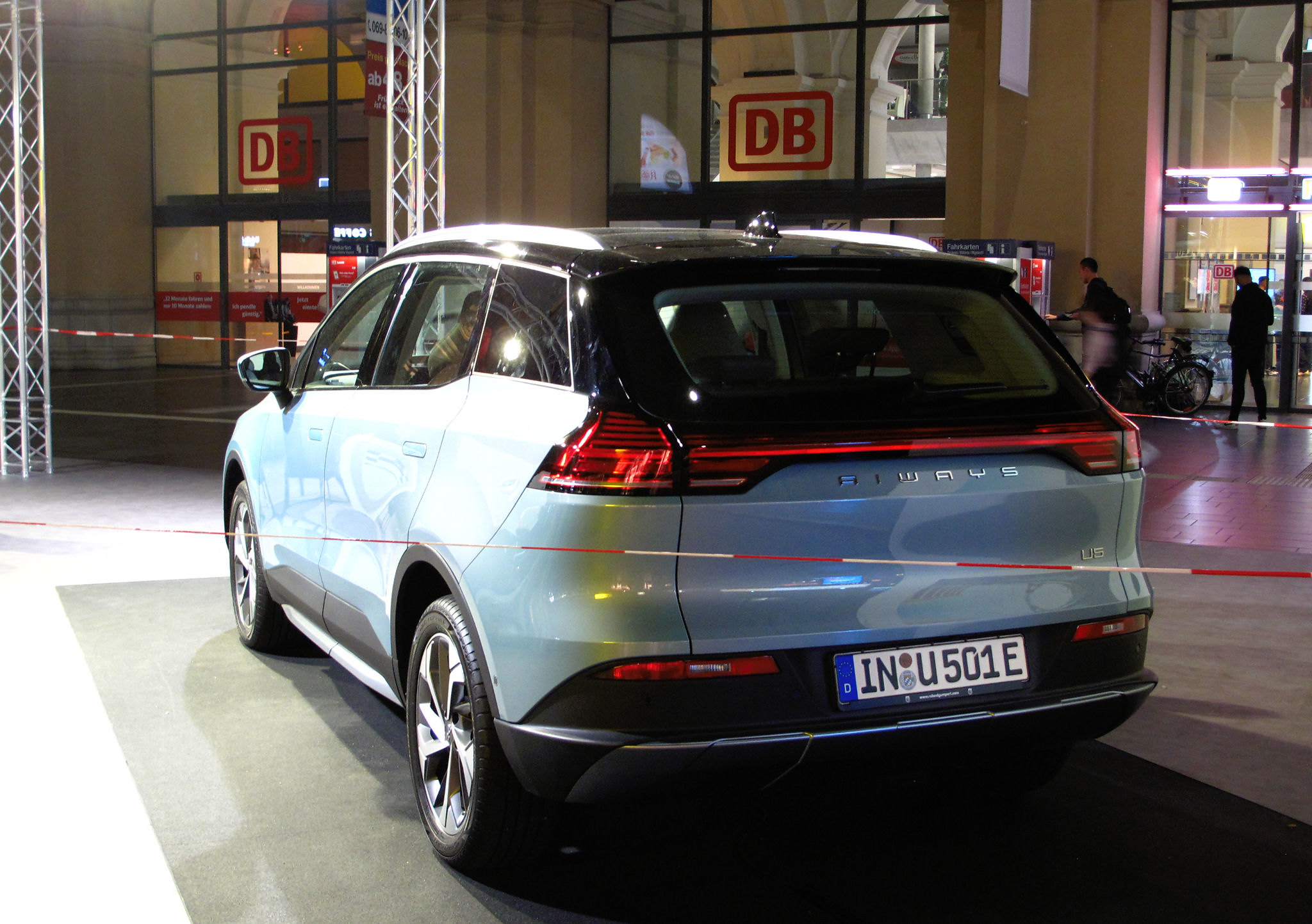
The Chinese are finally coming to Europe. Chinese start-up Aiways will launch its full-electric U5 SUV next year and will compete with the Kia e-Niro and MG ZS EV. The electric motor produces 140 kW/191 PS of power and maximum torque is 315 Nm. Thanks to its 63 kWh battery package and aerodynamic body (Cd 0.29), it should reach 503 kilometers according to the old NEDC standards and an additional 120 kilometers with the optional Range-Extending Battery Pack B. Entry-level pricing is estimated at € 35,000.
[…] This rapid rise is part of a bigger global shift. For deeper context on how South Korea and China have disrupted the traditional auto industry, read our earlier article: How the South Korea China Auto Industry Turned the Auto Industry on Its Head: The Three Waves of Dis…. […]