Table of Contents
ToggleBritish Car Industry Downfall and The Story of Leyland (1896-1988)
Few stories in industrial history are as dramatic as the British car industry downfall. In the 1950s, Britain was the second-largest vehicle manufacturer in the world. Its motorcycles dominated global markets. Names like Jaguar, MG, Triumph, Land Rover, Aston Martin, and Norton were symbols of British engineering excellence and style.
Today, in 2026, almost all the great British marques are foreign-owned. Many have disappeared entirely. For those of us on Parts-Ring hunting hard-to-find parts for restorations, this history explains why certain components from these legendary brands remain so valuable — and increasingly rare.

The Golden Age: Britain Rules the Roads and Tracks
After World War II, British manufacturers led the export charge. The country produced stylish, innovative vehicles that captured hearts worldwide.
Iconic British Cars That Were World Sellers:
- Jaguar E-Type — Widely regarded as one of the most beautiful cars ever made.
- Mini (1959) — Revolutionary small car design that became a cultural icon.
- Land Rover / Range Rover — Redefined off-road capability and luxury SUVs.
- MG sports cars (especially MGB) — Affordable fun that conquered America.
- Austin-Healey, Triumph TR series, Morris Minor, and Rolls-Royce / Bentley luxury models.
Legendary British Motorcycles:
- Triumph Bonneville
- BSA Gold Star
- Norton Commando
- Ariel, Velocette, and Royal Enfield
These machines weren’t just products — they represented British engineering pride and were massive export successes, particularly in the United States.
What Caused the British Car Industry Downfall?
The decline accelerated in the 1960s and 1970s. Multiple factors combined in a perfect storm:
- Poor Management & Mergers: Forced consolidations (e.g., British Motor Corporation → British Leyland) created bureaucratic monsters with internal rivalries.
- Labour Unrest: Frequent strikes and poor industrial relations crippled production.
- Quality & Reliability Issues: British cars gained a reputation for rust, oil leaks, and breakdowns while Japanese competitors delivered reliable, efficient vehicles.
- Lack of Investment: Complacency and under-investment in modern manufacturing and new models.
- Rising Competition: Japan (Honda, Toyota, Nissan) and later South Korea and Germany flooded markets with better, cheaper products.
- Government Interference: Nationalisation of British Leyland failed to solve deep-rooted problems.
By the 1980s and 1990s, most mass-market British brands had been sold off or collapsed. The motorcycle industry suffered an even steeper fall.

Leykor / Leyland South Africa: A Major Operation That Vanished Almost Overnight
One particularly painful chapter in the British Leyland story played out far from the UK — in South Africa.
Leyland had a significant presence in South Africa since the 1950s. In 1955, they opened a major factory in Blackheath, Cape Town. The plant produced trucks, buses, and later a wide range of passenger cars from CKD (Completely Knocked Down) kits.
In 1969, following the formation of British Leyland in the UK, operations were consolidated under the name Leykor (a name chosen to work in both English and Afrikaans). The Blackheath facility was expanded and became the central hub. Leykor assembled a huge range of British Leyland products, including Minis, Austin 1100/1300s (including the unique South African Austin Apache), Marinas, Triumph models, and Land Rovers.
At its peak, Leykor was a massive employer and a key player in the South African automotive industry. However, by the late 1970s, the same problems plaguing the UK parent company — financial difficulties, quality issues, strikes disrupting CKD kit supplies from Britain, and intense competition — hit hard in South Africa.
A proposed merger with Sigma Motors fell through, forcing Leykor to rebuild its dealer network from scratch almost overnight. Production became erratic. Mini production, for example, was suspended for 18 months before a limited comeback with the Mini 1275E.
By the early 1980s, Leykor’s operations had effectively collapsed. One minute they were a major industrial force in Blackheath; the next, they were gone. The rapid decline left thousands of South African workers affected and created a generation of classic British cars in South Africa that are now highly prized by restorers — but increasingly difficult to find parts for.
The Current Landscape (2026)
Britain still builds excellent cars — but mostly for foreign owners:
- Jaguar Land Rover (Indian-owned Tata)
- Rolls-Royce (BMW)
- Bentley (Volkswagen)
- Mini (BMW)
- Aston Martin (mixed ownership)
- McLaren and Morgan (still British-owned but niche)
Mass-market British-owned car manufacturing is essentially gone.
Two MBA-Style Case Histories
Case 1: The Merger Trap
British Leyland was supposed to create strength through scale. Instead, it became a textbook example of how forced mergers without cultural integration and strong leadership can destroy great companies. What lessons does this hold for modern consolidation?
Case 2: Complacency vs Disruption
British manufacturers dominated with beautiful, characterful machines but failed to adapt to Japanese efficiency and reliability. The story offers powerful insights into innovation, quality control, and responding to global competition.
Case 3: Thatcher and the Unions – The Final Blow?
Margaret Thatcher’s government (1979–1990) fundamentally transformed the British automotive industry. Facing chronic strikes that had paralyzed British Leyland for years, Thatcher took aggressive steps to curb the power of militant trade unions:
- She confronted and defeated the powerful unions through new legislation and a firm stance during major strikes.
- She pushed for privatization and decentralization of bargaining.
- Her policies encouraged foreign investment and competition.
While these reforms helped save British Airways and other industries, many argue they came too late (or were too brutal) for the car sector. Production continued to collapse, and the era accelerated the sale or closure of many British marques.
This remains one of the most debated chapters in the British car industry downfall.
Why This History Matters for Hard-to-Find Parts
The British car and motorcycle industry downfall created a treasure trove — and a challenge — for restorers. Iconic models from the 1950s–1980s are now classics, but original parts are becoming scarcer. This is exactly where Parts-Ring comes in: keeping these pieces of British engineering heritage on the road.
In Conclusion
The downfall of Britain’s once-mighty automotive empire is a cautionary tale of what happens when innovation stalls and complacency sets in. Yet the spirit lives on through the thousands of enthusiasts restoring these legendary machines.
Have you restored a classic British car or motorcycle lately? Drop a comment below with the model and the hardest part you had to source — I read every one.
Looking for specific British marques parts? Reach out via our contact form or check our inventory. We specialize in the rare, obsolete, and hard-to-find components that keep these legends alive.
Sky News:- Thatcher 100 - why Margaret Thatcher is still shaping politics a century on from her birth
Further Reading
- Amazon: The Enemy Within: The Secret War Against the Miners – Margaret Thatcher branded the leaders of the 1984–85 miners’ strike “the enemy within.”
- Wikipedia – Margaret Thatcher
Technical Credits & Research
- Visuals: Image assets generated by Google’s Gemini AI and PicsArt
- Featured Image – a 1985 Rover 3500 Vitesse (SD1). This file is licensed under the Creative Commons Attribution-Share Alike 4.0 International license. Author Merijn Buick LeSabre
- A 1959 Morris Mini-Minor. This car, with registration number 621 AOK, was the first Mini off the production line to be badged Morris. It was never sold, and is now kept at the British Motor Museum, Gaydon, UK. Photographed at the Gaydon Mini Festival 2007. This file is licensed under the Creative Commons Attribution-Share Alike 2.5 Generic license. Author DeFacto
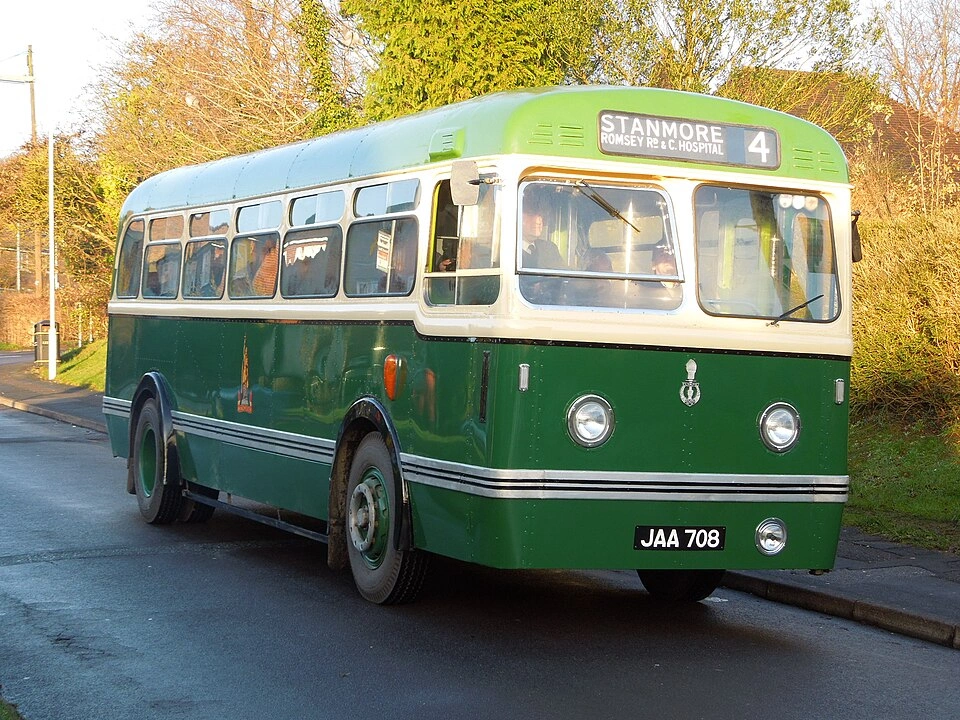
- Preserved King Alfred, Winchester Leyland Olympic HR40 JAA708 in 2013.
- This file is licensed under the Creative Commons Attribution-Share Alike 4.0 International license. Author Mwsmith20
- 1973 Triumph GT6 Coupe at The Great West Road Run, Aust, Bristol, England. This work has been released into the public domain by its author, Arpingstone. This applies worldwide. Author Adrian Pingstone
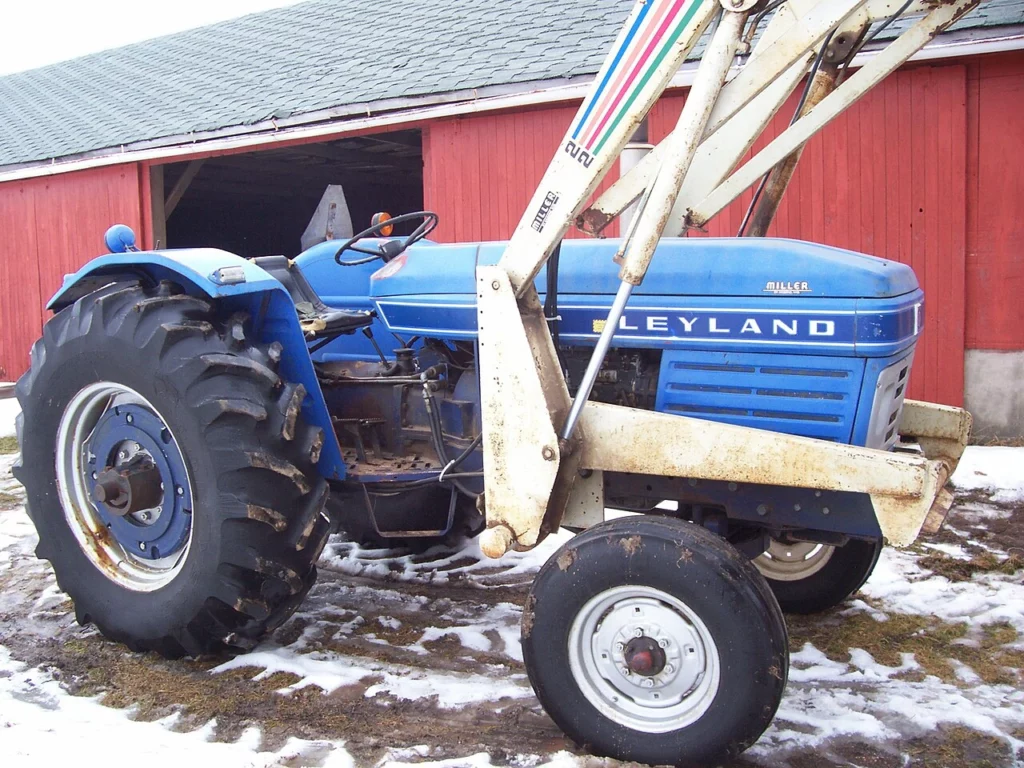
- My grandfather’s model 270 British Leyland tractor, purchased in the mid 1970s. It has an aftermarket loader that I used for snow removal. Photograph taken in Wisconsin, United States. This file is licensed under the Creative Commons Attribution-Share Alike 4.0 International, 3.0 Unported, 2.5 Generic, 2.0 Generic and 1.0 Generic license. Author User:Royalbroil
- Research: Technical assistance and cross-referencing provided by Grok xAI and Gemini.
- Editorial: All case study data, circuit designs, and final editorial decisions are the sole responsibility of the author to ensure technical accuracy.
[…] Parts-Ring – British Car Industry Downfall: The Rise and Fall of a Manufacturing Empire […]