The South Africa Education Manufacturing crisis – Without quality education, you cannot manufacture at scale. If you cannot manufacture, you are economically nothing — a raw-material exporter and finished-goods importer at the mercy of currency swings, global shocks, and foreign suppliers.
South Africa is sliding down this path. We export minerals and agricultural goods, then import finished products — especially from China. Short-term ideological alignment (snubbing pragmatic Western partnerships while deepening BRICS dependency) may deliver political points, but it destroys long-term sovereignty. True neutrality and results-focused alliances would serve us far better.
Table of Contents
ToggleWhat We Inherited vs What We Built
Pre-1994 governments, despite apartheid’s indefensible racial engineering, built functional institutions, infrastructure, and an economy that grew steadily. Post-1994, the ANC dramatically expanded access to housing, water, electricity, and social grants. However, cadre deployment, corruption, and the National Democratic Revolution (NDR) — the guiding doctrine of the ANC in formal alliance with the South African Communist Party (SACP) and COSATU — prioritised political loyalty and race-based redress over merit and delivery.
This is not generic corruption. The ANC’s armed wing, Umkhonto we Sizwe (MK), was trained and equipped by the Soviet Union (when it was still the USSR) and by Cuban forces during the liberation struggle. That Cold-War-era Marxist-Leninist training deeply influenced the post-1994 governance model.
Thirty-six years after the formal dismantling of apartheid, the constant drumbeat of past atrocities is still used as justification for today’s failures. When do the excuses stop and the hard work of moving forward begin? This is precisely why I chose Singapore as the positive case study and Zimbabwe as the negative one. Singapore took a painful colonial past and chose merit, pragmatism and execution. Zimbabwe chose grievance, redistribution and ideology — and paid the price.
India offers another powerful example. Despite a long and often brutal colonial history under British rule, India maintains cordial, pragmatic ties with the United Kingdom — including active participation in the Commonwealth and warm reception of royal visits. Rather than dwelling on the past, India has focused relentlessly on reform, investment, and growth. It is now projected to become the world’s second-largest economy (in PPP terms) by 2038. South Africa should take note: the countries that look ahead, not backward, are the ones that win.
The result: hollowed-out SOEs, rising crime, justice system backlogs, and a skills crisis that is killing our manufacturing base.
Education + Manufacturing – The Critical Metrics
Metric
Zimbabwe (Pre-1980)
Zimbabwe (Recent)
South Africa (1980s)
South Africa (2024–2026)
Singapore (Benchmark)
Manufacturing % of GDP
~25–30%
Heavily de-industrialised
~20–25%
~12.8% (contracting)
~20–25% (high-tech)
Education Outcomes
Among Africa’s best
Sharp Decline
Strong Technical Base
TIMSS/PIRLS near bottom
World-top
Functional Literacy
High for Region
Skills mismatch
High
80% Grade 4 cannot read for meaning
Near 100%
Import Dependency
Low
Extremely High
Moderate
Rising (esp. from China)
Low
The Teacher Crisis at the Heart of the Failure
A major driver of this collapse is the severe shortage of properly qualified teachers — compounded by B-BBEE-driven appointments that often prioritise demographic targets over subject competence. Recent Department of Basic Education data reveals that over 7,000 Grade R teachers in public schools lack the minimum NQF Level 6 qualification. Many teachers in core subjects like mathematics and science possess content knowledge barely above the level of the pupils they teach (SACMEQ studies).
This isn’t accidental. Communist-influenced ideologies have historically treated mass education as a tool for control rather than a ladder to prosperity — South Africa’s version is delivering the same outcome.
This skills collapse directly blocks technological progress. No skilled pipeline means no advanced electronics, battery plants, satellite manufacturing, or AI hardware production.
Zimbabwe: Africa’s Starkest Post-Colonial Warning
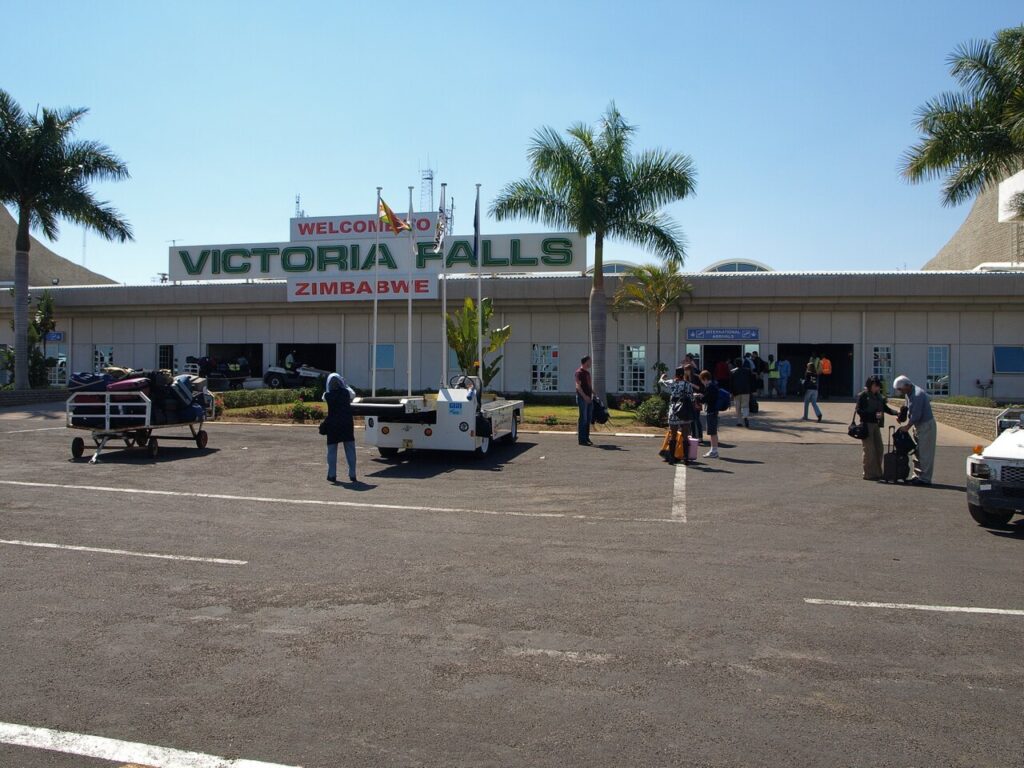
I visited Zimbabwe last year. Two coffees, two bottles of water, and a toilet trip at Victoria Falls Airport cost me R500. Victoria Falls itself is impressive — but it feels like the only well-run bubble in the country. Public transport tells the full story: chaotic minibus taxis on crumbling roads where formal systems once worked. This mirrors collapsed maintenance, lost skills, and patronage over service delivery.
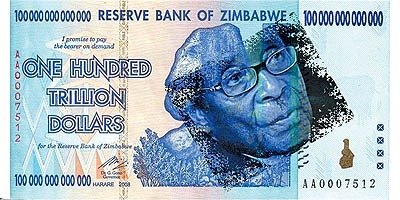
Zimbabwe went from breadbasket of Africa to bread importer through ideology-driven land seizures and education collapse. South Africa risks repeating the same mistake.
Why South Africa’s Core Institutions Collapsed
Reliable power, logistics, security, and rule of law are non-negotiable for tech and manufacturing. Yet SOEs bleed billions, violent crime remains among the world’s highest (~70 murders/day), and conviction rates for serious crimes are critically low. High-level politicians and connected criminals rarely face real consequences.
Singapore vs South Africa: What Actually Works
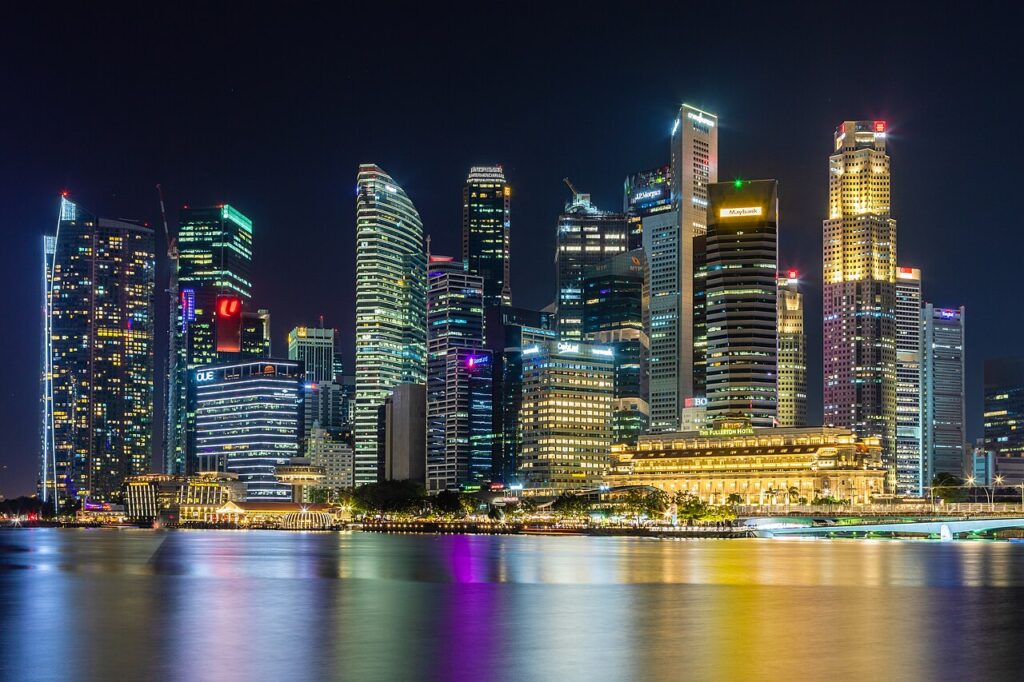
Singapore took a resource-poor, multi-ethnic starting point and built world-class institutions through merit, anti-corruption discipline, and results-first pragmatism — exactly what Lee Kuan Yew described as “what works.”
The Role of Counterbalance: Why Groups Like Afriforum Matter
In any healthy democracy there must be pushback against dominant political forces. While many political parties and commentators cry “foul” at the mere mention of Afriforum, this civil-rights and community organisation plays a vital role in today’s South Africa. Just as leftist lobby groups and international activists rightly challenged the National Party government throughout the 1970s and 1980s, Afriforum now acts as a conservative counterweight. It documents farm murders, challenges expropriation without compensation, highlights minority rights issues, and ensures international exposure when local institutions fail to act. Without such organised pushback, the more radical voices in the ANC, EFF, and MK would face even less scrutiny. A functioning democracy requires pressure from all sides — not just one direction.
The Fix: Pragmatic Steps South Africa Must Take Now
- Education First — Make STEM non-negotiable from primary school. Replace cadre influence with merit-based appointments and international benchmarking.
- Rebuild Manufacturing — Create policy sandboxes with reduced B-BBEE rigidities for new high-tech investments and local skills pipelines.
- Attract SA Talent — Actively court disruptors like Elon Musk, Mark Shuttleworth, David Sacks, Patrick Soon-Shiong, and Rob Hersov.
- Institutional Reform — End rigid cadre deployment. Professionalise SOEs, SAPS, and SANDF. Fast-track courts and forensics.
- Neutral Foreign Policy — Choose partnerships based on technology transfer, not ideology.
The 2024 GNU coalition and 2026 local elections have opened a narrow window. Leaders like Geordin Hill-Lewis, thinkers like Prince Mashele and Moeletsi Mbeki can help bridge the gap.
The Growing Influence of Independent Podcasters
Independent podcasters have become one of the most powerful forces pushing for honest, stable, and competent government in South Africa. They bypass traditional media and hold power accountable through long-form, evidence-based discussions.
Recommended Podcasters Worth Following:
- The Truth Report
- Renaldo Gouws
- Ernst Roets
- MorningShot (Byron Shepherd)
- Colonel (Rtd) Chris Wyatt
- Citizen Concerned (Katlego Moagi:)
- Bonsai Shongwe
- State of the Nation (Mike Sham)
- Willem Petzer
- The Daily Friend Show (IRR)
- Podcasts from the Edge (Peter Bruce)
- Fate, Luck & Choice (Adrian Saville & Nick Binedell)
Conclusion: We Still Have Time
South Africa is not doomed. We have the people, the resources, and now multiparty pressure. What we lack is the courage to put competence, education, and execution above ideology.
The tech future we want — advanced manufacturing, innovation hubs, and real economic sovereignty — will only arrive when we fix the foundations.
Further Reading
The Forgotten Artisans: Why South Africa’s Schooling and Corporate Systems are Starving the Economy
Credits/Research
Research assistance provided by Grok xAi and Google’s Gemini. All facts, personal experiences, and final editing remain the responsibility of the author.
Image Credits
- Featured Image: Khayelitsha, Township of Cape Town along N2 road (2015) – This file is licensed under the Creative Commons Attribution-Share Alike 4.0 International license. Author Olga Ernst
- Arrivals of Victoria Falls Airport – This file is licensed under the Creative Commons Attribution-Share Alike 3.0 Unported, 2.5 Generic, 2.0 Generic and 1.0 Generic license. Author Kounosu
- 100 Trillion Zimbabwean Dollars – This file is licensed under the Creative Commons Attribution-Share Alike 3.0 Unported license. Author Hamidsad
- Skyline of the Central Business District of Singapore, Marina Bay Singapore – This file is licensed under the Creative Commons Attribution-Share Alike 4.0 International license. Author Bijay Chaurasia